
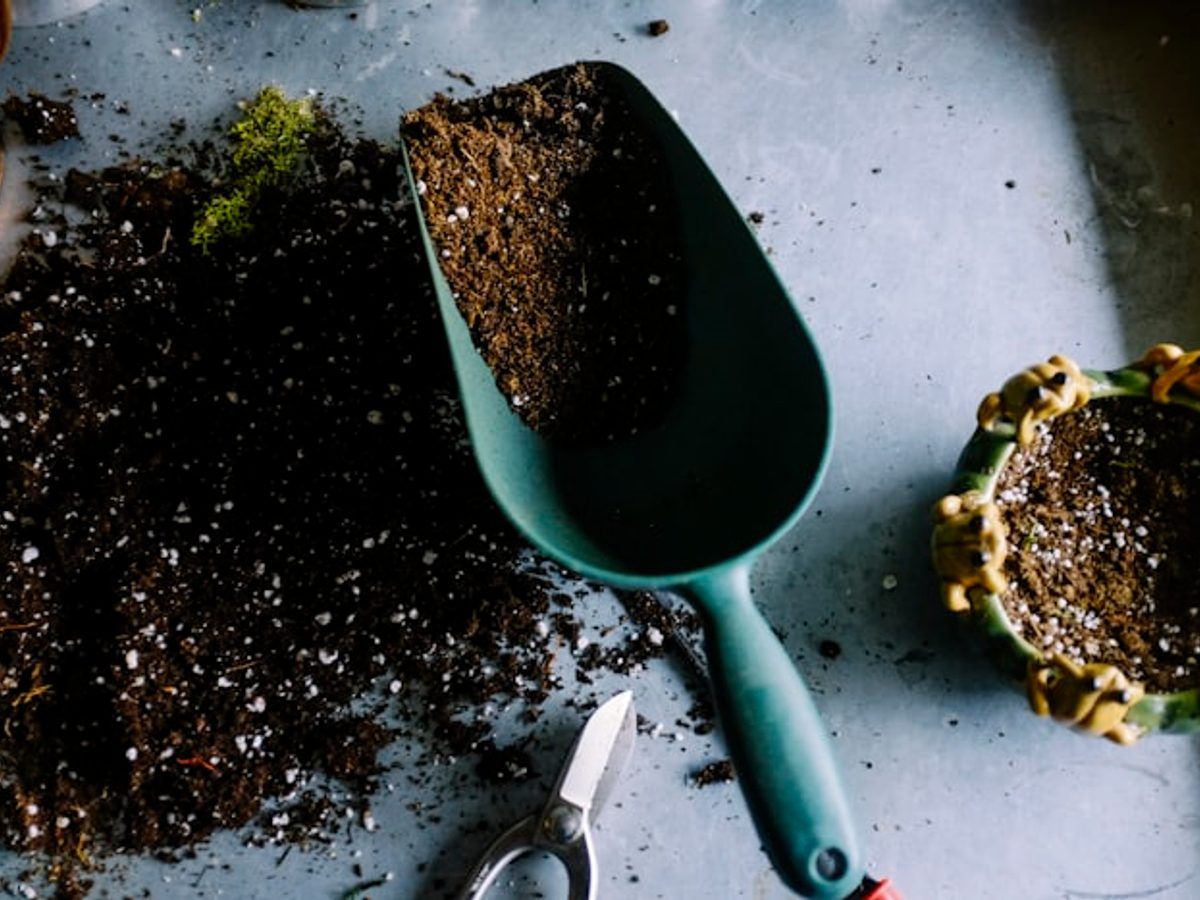
Islamabad is a city of gardens in a way that no other Pakistani city quite is, and a great many households here spend money on gardening without ever working out what their garden actually requires. The usual pattern is a mali who comes when he comes, does what he does, and is paid a small monthly amount — and the garden is neither good nor dead, which is the most expensive outcome available.
The two proper arrangements are a visiting mali on a fixed schedule or a full-time gardener, and the choice is decided by area, planting, and season.
Work out the hours from the garden, not the house
House size tells you very little. What matters is planted area, and specifically what is planted.
A lawn of any size needs mowing weekly through the growing season, edging, watering, and periodic feeding. It is the single most labour-intensive thing in a garden and the reason most full-time gardeners exist.
Beds with seasonal flowers need planting twice a year, deadheading continuously, watering daily in summer, and replacing when a season ends. Roses need specific attention.
Mature trees need very little week to week and a great deal twice a year — pruning, and clearing what they drop.
Pots need daily watering in summer and are the most demanding item per square foot of anything in a garden.
Paving, gravel and hard landscaping need almost nothing beyond sweeping.
Add it honestly and most Islamabad gardens in the standard sector plots come out between six and fifteen hours a week across the year, with a sharp seasonal distribution. That is a visiting mali's work, not a full-time position.
Where a full-time gardener is genuinely justified
Large plots — the bigger houses in F-6, F-7, F-8 and the older parts of E-7, and anything on a kanal or more with real lawn.
Gardens with a lot of lawn specifically, because lawn is relentless through the growing months.
Households with kitchen gardens or serious planting ambitions, where somebody needs to be there daily.
Properties where the gardener also covers other outdoor work — washing cars, sweeping the drive, maintaining the boundary, keeping the water features running. Many full-time gardener roles in Islamabad are really outdoor-maintenance roles with gardening at the centre, and priced as full-time for that reason.
And farmhouse properties out toward Chak Shahzad and the surrounding belt, where the grounds are a different proposition entirely and one man is often not enough.
What a visiting mali arrangement looks like when done properly
Two or three fixed visits a week, of two to three hours each, on known days. Not "when he can come" — fixed days, because a garden's needs are weekly and a schedule that drifts produces a garden that is always slightly behind.
A written list of what happens on each visit, and what happens monthly and seasonally. Mowing on the first visit of the week. Watering and deadheading on each. Feeding monthly. Pruning in the appropriate months. Bed changeover in spring and autumn.
An agreed arrangement for the seasonal peaks, which is where these arrangements usually break — see below.
And a tool inventory, because tools are where the friction is.
Our gardener salary guide covers the full-time band, and part-time visits are typically priced per visit rather than as a fraction of a salary.
The seasonal peaks nobody plans for
An Islamabad garden does not need a constant amount of work, and pretending otherwise is why both arrangements fail.
February to April is the heaviest stretch: spring planting, the lawn waking up, pruning finished, beds turned over. A garden that gets its normal two visits a week in March will look like a garden that was neglected in March.
May to June is watering, and it is relentless. Pots need daily attention and lawns need real irrigation. This is the period when households with only a visiting mali watch things die between visits, and the answer is either a third visit, an irrigation arrangement, or somebody in the household taking on the watering.
July to August, the monsoon does the watering and everything grows at once, including weeds. Mowing frequency goes up, growth has to be cut back off walls and paths, and drainage matters.
September to October is the second changeover for winter planting.
November to January is genuinely light — the quietest stretch, when a full-time gardener has little to do and a visiting arrangement is entirely sufficient.
The practical consequence: if you are running a visiting arrangement, budget for extra visits in spring and summer rather than trying to hold a flat schedule year-round.
Tools, materials and plants — the part that causes disputes
Three separate questions, and all three should be settled before the first visit.
Tools. The household supplies them and owns them, and there should be a written inventory with condition noted. Mower, shears, secateurs, spade, fork, rake, hose, watering can. A mali expected to bring his own tools will bring poor ones, and a household that never records what it owns loses items steadily without ever knowing whether they were lost, broken or taken.
Materials. Compost, fertiliser, seed, potting soil, pesticide. These are consumables and the household pays. Agree who buys them and against what budget.
Plants. This is the one that causes actual arguments. Agree a monthly or seasonal plant budget, agree that purchases above it need approval, and ask for receipts. Left unmanaged, plant buying is where a modest gardening arrangement quietly becomes an expensive one.
Water, which is the real Islamabad constraint
Garden watering is a substantial draw, and in the sectors where supply is intermittent the garden competes with the house. This changes the arrangement more than people expect.
If your supply is reliable, a hose and a routine is all that is needed. If it is not, you are into storage, timing, and a gardener who knows to water early or late rather than at noon — which halves the loss to evaporation and is the single most useful habit a mali can have.
Households with substantial lawn and unreliable supply should think seriously about whether the lawn is the right planting, because a lawn in an Islamabad May without dependable water is a monthly expense producing a brown rectangle. Reducing lawn and increasing beds, shrubs and hard landscaping lowers both the water bill and the hours required, permanently.
Assessing a gardener before you hire
The best test is a walk around your own garden. Ask him what he sees, what he would do first, and what is wrong with the current state of it.
A real gardener will name plants, point at specific problems — this rose has been pruned wrong, this bed is waterlogged, that tree needs its lower growth taken off — and tell you what the garden should look like in three months. A general labourer will say it needs cleaning and that he will do whatever you want.
Both can be useful, but you should know which you are hiring, because only one of them will improve the garden rather than maintain its current condition.
Then watch him use a tool. Tool care and worksite tidiness are strongly predictive: a man who cleans a blade and coils a hose will look after your garden, and one who leaves cuttings on the lawn and tools in the sun will not.
Where the role combines with others
Full-time gardener positions in Islamabad are frequently combined, and the combinations that work are outdoor ones — car washing, driveway and boundary upkeep, gate duties during the day, maintaining outdoor lighting and water features.
The combination that does not work is gardening plus indoor household work. The two have different rhythms and different dirt, and households that try it end up with a man who is neither gardener nor helper. If you need both, two part-time arrangements cost less and work better.
Combining gardening with guard duties is a specific and common arrangement in this city, and it needs the honest caveat that a man gardening at the far end of a plot is not watching the gate. If both matter, they are two roles.
How to decide
Measure your planted area and count your lawn honestly. If the lawn is small and the planting is mostly shrubs, trees and hard landscaping, a mali twice a week plus extra visits in spring and summer is the correct and much cheaper arrangement.
If you have real lawn, substantial beds, a kitchen garden, or grounds rather than a garden, hire full-time — and expect the role to include the rest of the outdoor maintenance.
If you are between the two, start with three visits a week for a season and see whether the garden holds. It is easy to increase and awkward to reduce.
Frequently Asked Questions
How long should each visit be?
Under two hours is rarely worth either party's time once travel is counted, and it produces rushed work. Two to three hours on a fixed day is the arrangement that works, and most malis in the sectors build a week from four or five such households.
Should the mali be paid per visit or monthly?
Monthly, for a fixed schedule — it is simpler and it makes him part of the household's arrangements rather than a series of transactions. Agree what happens for extra visits in the heavy months at the same time.
Who is responsible if plants die?
Nobody, most of the time, and treating plant loss as a performance failure is the fastest way to lose a good mali. What is reasonable is to ask why, and to expect an answer that names a cause — water, disease, wrong position, wrong season. A gardener who can diagnose a loss is worth keeping.
Can the gardener handle tree pruning?
Small trees and shrubs, yes. Anything that requires climbing or working near power lines is a specialist job with real risk, and it should be bought in twice a year rather than asked of a household gardener.