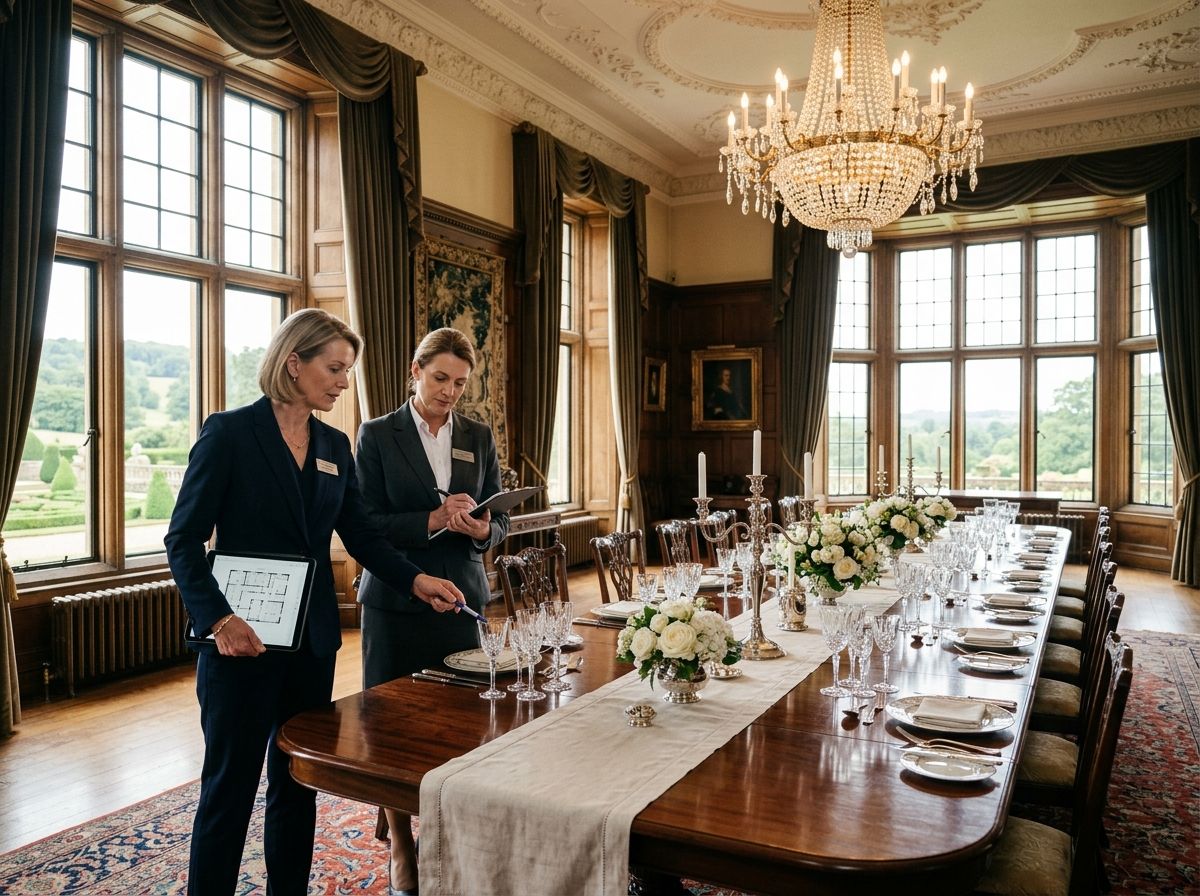
The cantonment neighbourhoods are the most distinctive hiring environment in the twin cities, and probably in the country. Decades of military and civil-service households employing staff under established conventions have produced something that does not exist elsewhere: a standing pool of men who understand formal household service without needing it explained.
If you are hiring here, that is your main advantage. The conditions of the housing stock and the streets are the main constraints.
The tradition you are hiring into
In most of Pakistan the word batman needs explaining. In Westridge and Lalkurti it does not, and that is the whole point.
A batman or personal attendant works to one individual rather than to a household: clothes pressed and laid out, shoes cleaned, personal effects in order, tea at a fixed hour, the study or bedroom maintained to a standard, and a general readiness around that person's day. What characterises it is precision and timing rather than breadth.
The candidates here arrive knowing what a properly turned-out uniform looks like, what time tea means, and what standard of pressing is expected. They hold it without supervision, which is the entire reason to hire for the role rather than train into it.
The corresponding risk is that the title gets used loosely. A candidate presenting as a batman may in practice be a general helper who once worked in a military household — not dishonest, just a bigger word that pays better. The distinction shows up in fifteen minutes of a trial. Our comparison of a batman and a household helper sets out what separates them.
Deciding which role you actually need
Ask what would be worse: nobody noticing a damp patch on the north wall for three months, or nobody laying out your clothes and bringing tea at the right hour.
If the first, you need a caretaker or a general helper — somebody whose object is the property.
If the second, you need a batman, and the requirement centres on one person's routine rather than on the house.
Households here frequently need both, and where budget allows, hiring both is more sensible than hiring one person and being quietly disappointed in half the outcome. Where it does not, protect the personal duties in the daily order: the pressing, the shoes, the tea at fixed times, with the household work filling the gaps. Let it run the other way and the personal standard slips first, which defeats the purpose.
The housing stock is the main constraint
Cantonment housing is old, and that produces a maintenance profile newer areas do not have.
Roofs and drainage. These are the properties that suffer most in a heavy monsoon, and the difference between a cleared roof outlet in June and a blocked one in July is frequently the difference between nothing and a structural repair.
Plumbing that predates the load on it, and wiring that certainly does.
Damp on north-facing walls, appearing after the rains and easiest to treat when first noticed.
Mature trees and large gardens, which need real seasonal work rather than a twice-weekly tidy, and which drop a great deal in autumn.
The practical implication is that a staff member who reports early is worth more here than almost anywhere. That is a habit you establish in the first fortnight — ask for it explicitly, respond when something is reported, and it becomes routine.
Formality is the local expectation
Households in these neighbourhoods tend to run more formally than elsewhere in the city: defined mealtimes, visitors received properly, a household that presents well.
That works in your favour when hiring, because the local pool understands it. It also means the job description should say so rather than assuming it. A candidate from a less formal background can meet the standard, but only if somebody states what the standard is — how the table is laid, how guests are received, what "properly pressed" means in this house.
Show it once rather than describing it. A single demonstration is worth a page of instruction, and it removes the corrections that otherwise accumulate over the first month.
Discretion, which has no trial for it
A batman or a live-in helper in these households sees a great deal: conversations, visitors, a family at its least composed. There is no exercise that demonstrates discretion.
What you can do is ask directly and listen to how the answer comes. Ask what he would do if a visitor asked where his employer had gone. Ask whether he has ever been asked something about a previous employer that he did not answer. A man who has thought about it answers plainly and briefly; one who has not is either puzzled by the question or eager to tell you something about a previous household — and the second answer is the one you need.
References carry more weight here than in most roles, and previous employers in these neighbourhoods are usually willing to speak plainly. Make the calls yourself rather than relying on a written character certificate, which in this market can mean very little.
Practical conditions in these streets
Narrow lanes and limited parking. This affects drivers more than anything else — reversing, turning and parking in a tight cantonment lane is a specific skill and worth testing on your actual street rather than on a main road.
Cantonment access rules. Some areas have entry procedures for vehicles and staff. Establish what applies before the first day rather than on it.
Dust from the main arteries. Properties near the busier roads take a real load, and cleaning frequency should follow the location rather than the calendar.
Proximity to Islamabad. Thirty minutes away and paying more, which is the pressure behind most departures at the eight-month mark here as elsewhere in the city. Review wages annually rather than waiting to be asked.
What to write down
The ordinary day in order with times, and for personal-attendant roles, the fixed points specifically: when the clothes are laid out, when tea is brought, when the shoes are done.
The hours, with a start and a finish. This matters more for batman roles than for any other, because a job tied to one person's schedule expands at both ends by default. A defined finish, a genuine afternoon rest period and a weekly day off are what keep men in these roles for years — and men with real experience have often left previous positions over exactly this.
Whether evening events are included or paid as extra.
And what is not part of the role. Personal attendance and whole-house cleaning are different jobs; a household that quietly merges them ends up with neither done well.
Empty and lightly used houses
A meaningful share of cantonment property is occupied intermittently — officers posted elsewhere, families abroad, houses held between tenancies.
An old house standing empty has a decay problem rather than a security one, and the two need different people. A chowkidar at the gate deters visitors. He does not notice a roof outlet filling in June, a pump that has seized, a boiler that has not run for a season, or damp rising in a north wall.
What these properties need is a written monthly routine — taps run and toilets flushed so traps stay wet, the pump and generator started, the roof and outlets checked before and after the rains, the boundary walked for cracks and growth, and rooms aired — with a short monthly report and four or five photographs.
Add a small spending allowance against receipts and a threshold above which he telephones first. Without the allowance nothing small is ever fixed and you return to an accumulated list; without the threshold you learn the price after the work. Our comparison of a caretaker and a chowkidar sets out the distinction in detail.
The first month in a formal household
Standards in these houses are specific, and the fortnight after somebody starts is when they either get established or quietly do not.
Demonstrate rather than describe. How the table is laid, what "properly pressed" means here, how a visitor is received and where they wait, what time tea actually means. One demonstration removes a month of corrections, and a candidate from a less formal background can meet any standard once they have seen it.
Then check once, properly, in the first two weeks, and say something — good or bad. A high standard that goes unremarked drops within two months, not through carelessness but because nobody appeared to notice it was being met.
And in households where several adults give instructions, name one person who owns the daily priorities. A batman or helper receiving direction from three people will fail all of them while appearing disorganised, and in a formal household that failure is more visible than most.
Frequently Asked Questions
Can a civilian household hire a batman?
Yes, and many do. The role is about personal attendance rather than about military employment. What matters is that the requirement genuinely centres on one person's routine rather than on general household work.
Is a batman expected to live in?
Often, because the work sits at the beginning and end of the day. It is not a requirement, and where there is no habitable accommodation a live-out arrangement with early hours works. The quarter needs to be a real room, not a store.
Where is the best pool for these roles?
Westridge, Lalkurti and the surrounding cantonment neighbourhoods, for reasons of history rather than coincidence. It is the deepest concentration of experienced personal-attendant candidates in the country.
What should I pay?
Start from the band for the role in our salary comparison and adjust for experience and the standard you expect. Experienced men in this role know their value here precisely because the local market understands the job.